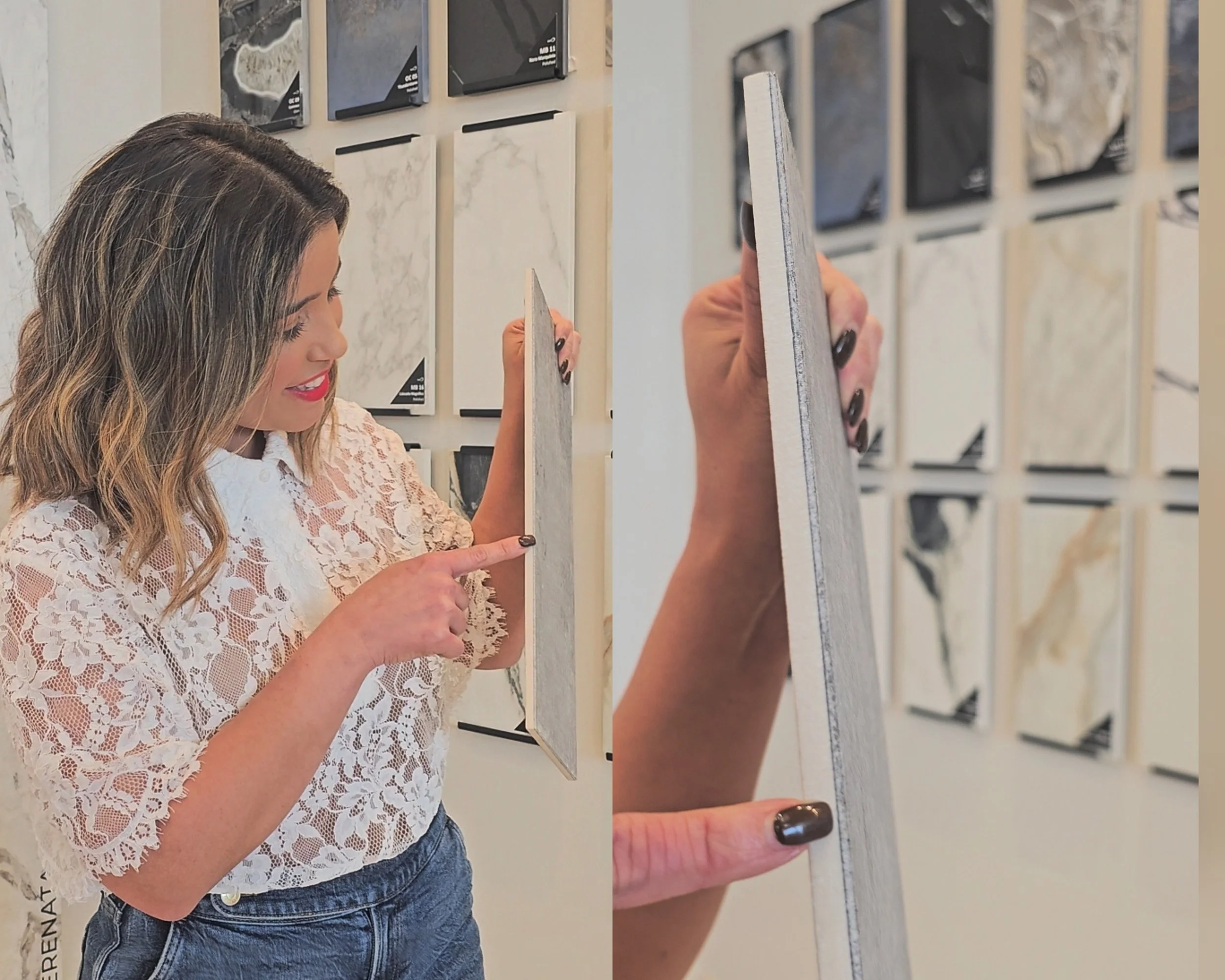
Mold-Proof Rebuilding for Florida Hurricanes

Mold can quickly form in damp areas like window frames after a hurricane.
As hurricane season approaches in Florida, preparation goes far beyond window shutters and sandbags.
For coastal communities from Anna Maria Island and Bradenton Beach down to Sarasota, the true structural nightmare begins after the storm passes.
When storm surges or severe leaks introduce water into a property, our high humidity turns traditional building materials into breeding grounds for toxic mold.
To protect your investment and your family’s health, the smartest strategy is to rebuild resiliently.
By replacing highly porous, water-absorbent materials with next-generation mineral surfaces, you create an interior envelope that permanently resists water damage and completely eliminates mold growth.
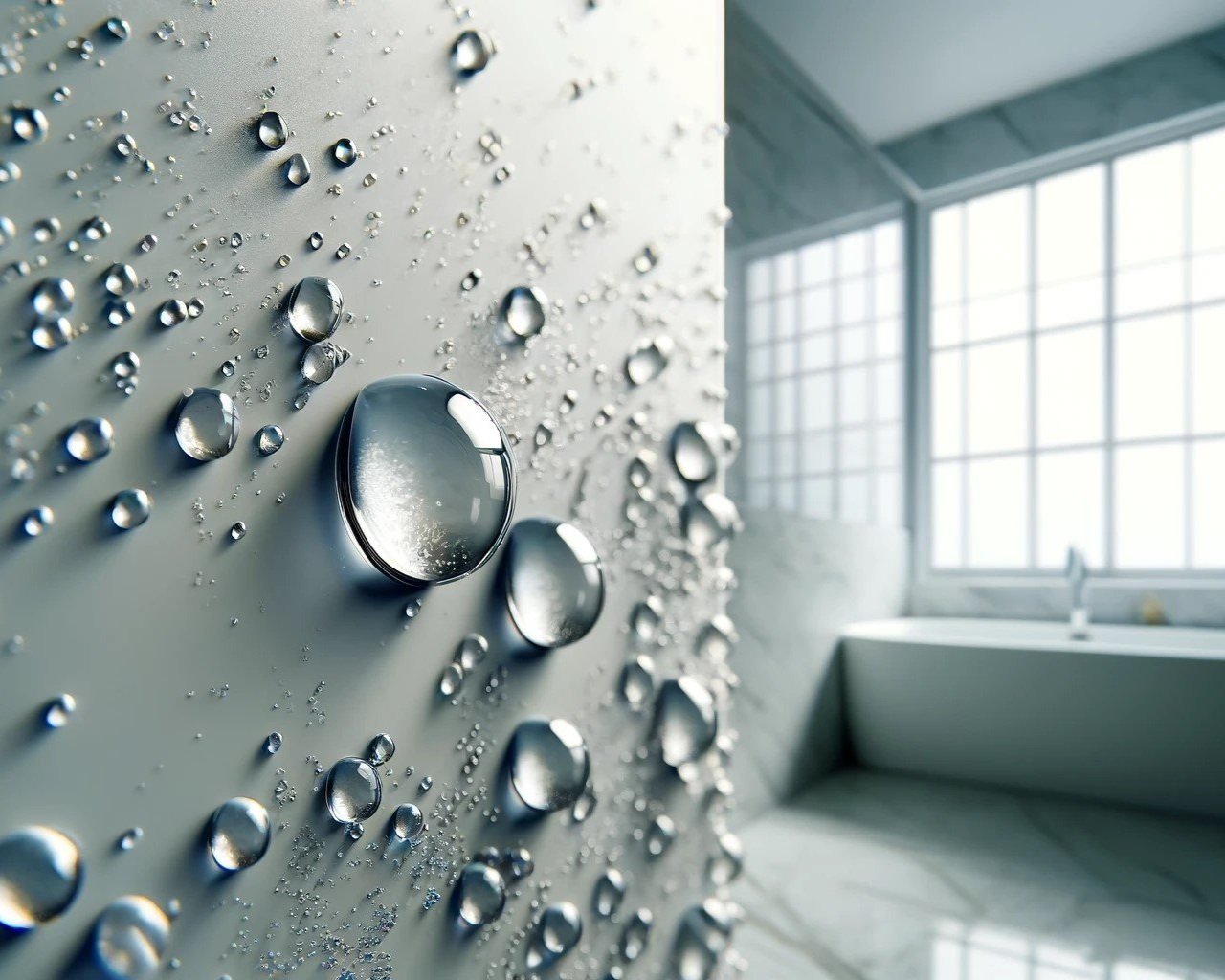
Non-Porous Porcelain Slab
(If you're just getting started with cleanup, check out our blog post on “Hurricane Helene Cleanup: Where to Begin”.
Why Traditional Building Materials Fail During Hurricane Season
When floodwaters enter a home, traditional architectural surfaces act like giant sponges. Over a 24-to-48-hour cycle, these porous materials trap organic moisture and invite rapid fungal colonization:
Drywall & Wood Studs: Cellulose-based materials absorb water rapidly. Once soaked, drywall structurally degrades and must be completely cut out to remediate deep-seated mold spores.
Standard Tile & Grout Lines: While ceramic tile resists water, standard cementitious grout is highly porous. Grout lines absorb dirty floodwater, trapping moisture and mold behind the wall assembly where it cannot easily be cleaned.
Porous Natural Stone: Stones like marble, limestone, and travertine have natural fissures and high porosity. If submerged, they can absorb contaminants, stain permanently, and hold moisture for weeks.

Lais Luz: Your Florida-Strong Rebuilding Partner
Sintered Stone, Dekton & Porcelain Slabs: The Non-Porous Shield
Advanced engineering has delivered materials that make mold growth completely impossible. Large-format porcelain panels, sintered stone, and ultracompact surfaces (like Dekton) are manufactured under intense compression and fired at temperatures exceeding 2200°F.
The result is a collection of materials with near-zero porosity (less than 0.5%). Because they absorb absolutely no water and contain no organic cellulose binders, mold spores have no anchor point and no food source to grow on.
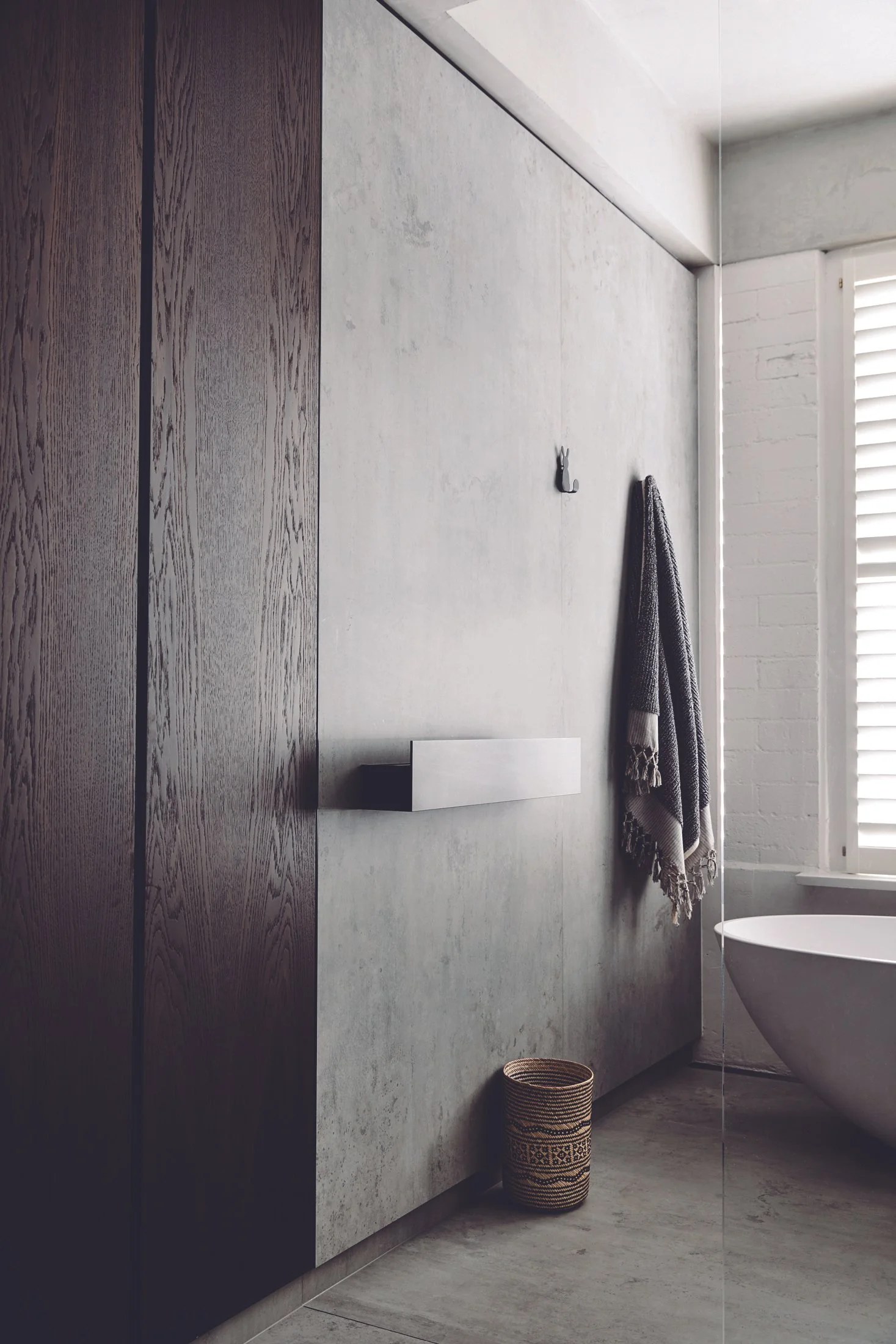
Strategic Vertical Applications for Flood-Resilient Remodeling
To build a truly hurricane-resilient home, specialized design focuses heavily on vertical wall applications below the flood line. Sourcing large-format slabs allows you to wrap vulnerable areas in seamless, waterproof protection:
1. Grout-Free Shower Walls & Bathroom Liners
Bathrooms are already high-moisture zones. Lining an entire shower enclosure or bathroom wall with jumbo 6mm or 12mm porcelain panels completely eliminates grout lines. If a storm compromises your home's humidity control, your shower walls remain entirely immune to mildew, mold, and deep structural rotting.
2. Seamless Full-Height Backsplashes
Instead of standard kitchen backsplash tile that traps moisture against the drywall, carry a continuous porcelain slab from your countertop straight up to the cabinetry. This creates an impenetrable vertical barrier that can be easily wiped down and sanitized, preventing hidden mold colonies from forming behind kitchen appliances.
3. Impact-Resistant Wall Cladding & Fireplace Surrounds
For coastal properties prone to repetitive storm surges, luxury builders are utilizing ultracompact surfaces for interior lower-wall cladding and floor-to-ceiling fireplace media walls. If water does enter the property, these dense slabs do not warp, degrade, or discolor. They can be fully sanitized and dried on-site without requiring costly demolition.
Frequently Asked Questions About Mold-Proof Building Materials
Can mold grow behind porcelain slabs after a flood?
Mold requires moisture and an organic food source (like wood or drywall cellulose) to grow. When large-format slabs are installed over walls using a 100% solid coverage of specialized waterproof mortar or advanced mechanical rainscreen clips, there are no hollow air pockets or organic materials available to trap water and breed mold behind the panel.
Are mineral surfaces easily damaged by hurricane debris cleanups?
No. Ultracompact surfaces and sintered stones are highly scratch-resistant, impact-resistant, and chemically inert. Unlike drywall or wood, which ruin easily during post-storm construction and debris clearing, these industrial-strength surfaces can withstand heavy wear and harsh sanitizing chemicals without losing their luxury finish.
Rebuild Smarter with Local Expert Lais Luz
Navigating storm recovery or proactive storm-proofing requires highly specialized technical insight. Choosing the right material thickness—such as ultra-lightweight 6mm slabs for vertical walls versus solid 2cm slabs for heavy-use counters—makes all the difference in structural engineering.
As a specialized mineral surface expert based in Sarasota, I work directly with homeowners, coastal builders, and interior designers across the Florida West Coast market. I will help you coordinate a flood-resilient interior strategy by:
Sourcing Certified Non-Porous Slabs: Selecting authentic, resin-free Italian stoneware that is completely UV-stable and water-resistant.
Connecting with Certified Fabrication Teams: Aligning your project with elite fabricators utilizing specialized water-jet tech for flawless wall assemblies.
Optimizing for Smart Interior Technology: Integrating invisible features like sub-surface kitchen induction systems into your resilient layout plans.
Don't wait for the next storm to compromise your home. Let's connect today to design an interior built to stand strong through any climate challenge.