Dekton vs Quartz: Which Is Better for Luxury Surfaces?

Don't let its beauty fool you. This Dekton countertop can handle more than just a few pastries.
When you plan a home remodel, most people automatically think about standard quartz. But quartz has limits, especially if you want to use it outside, near high heat, or on walls. If you want a surface that can go anywhere and handle daily life without constant worry, there is a stronger option you need to know about.
This material is called Dekton by Cosentino.
When weighing your options between Dekton vs Quartz, it is important to know that Dekton is not just for a kitchen workspace. It is a highly versatile material made for almost any surface in your house. It does not stain, it does not burn, and the sun will not damage it.
But what makes it so strong, and why is it outperforming quartz for things like a custom dekton fireplace, seamless dekton shower walls, or outdoor home facades? The answer comes down to a secret ingredient, how the slab is made, and why that exact strength makes it difficult for average installers to handle.

Witness the magic of Dekton! Its non-porous surface repels liquids, making spills a breeze to clean up.
The Secret Ingredient: Why Glass Makes Dekton So Strong
To understand why Dekton performs so well, you have to look at how different materials are made.
The Problem with Traditional Resin-Based Stones
Many traditional engineered stones are made of natural stone pieces held together by plastic glues and resins. While these glues make a slab easy to cut, they also create limitations. Plastic resin can melt under hot pans and can turn yellow when the sun shines on it over time.
Inside the Dekton Mineral Blend
Dekton by Cosentino contains zero plastic glues or resins. Instead, it is made from a mix of raw materials: porcelain, natural minerals, and glass.
How Extreme Heat and Pressure Fuse the Slab
While we usually think of glass as something easy to break, raw glass is actually a structural secret weapon. Cosentino uses a special high-tech process that puts these minerals under extreme heat (over 2,000°F) and presses them down with a massive 25,000-ton press.
The Result: A Flawless, Ultra-Compact Shield
This extreme pressure completely melts the glass, fusing the porcelain and minerals together at a microscopic level. It squeezes out every single air pocket and pore, turning the raw mix into a solid, ultra-compact shield. Because it has zero pores, it can be used for many different home applications where traditional resin-based materials would fail.

Elevate your Sarasota kitchen with the beauty and durability of Dekton countertops and backsplashes.
Where Dekton Wins (And Quartz Fails)
Because Dekton has no plastic resin inside, it can do things standard quartz simply cannot handle:
100% Heat Proof: You can put burning hot cast-iron pans directly onto dekton kitchen countertops. It will not burn, crack, or discolor. Quartz can scorch and melt because of its resin glues.
100% Sun Proof: This material is totally safe from UV rays. This makes it the absolute best choice for dekton outdoor countertops and summer kitchens. Quartz will turn yellow and fade in the Florida sun.
Scratch Proof: The surface is harder than keys, heavy pots, and knives. You can chop food right on the surface without leaving a mark.

The Hidden Truth: Why Average Fabricators Make Mistakes with Dekton
This is the most important part of your project. The exact reason Dekton is so strong—its hard, glass-like composition—is also the reason why it is very difficult to cut and install.
Because Dekton does not have plastic resin to give it flexibility, the raw slabs hold a lot of internal tension. If an installer tries to cut it like regular quartz or marble, the material will chip, crack, or shatter.
Many general stone fabricators avoid Dekton or make mistakes because they do not have the right training or tools:
Tension cuts: Fabricators must make specific outer relief cuts to safely release the tension in the slab before cutting out a sink or a dekton fireplace.
Specialized blade speeds: It requires specific water-cooled diamond blades moving at highly controlled speeds. Moving too fast creates tiny fractures along the edges.
Perfect leveling: Because the material is completely rigid, the cabinets or frame underneath must be perfectly flat. If it is installed on an unlevel surface, the stone stays under stress and can chip later on.
To protect your investment, you should never hire a standard installer. This material requires a specialist who understands the science behind the stone.
One Material, Endless Uses
When you work with an expert, you can use Dekton on almost any surface to create a clean, modern look:
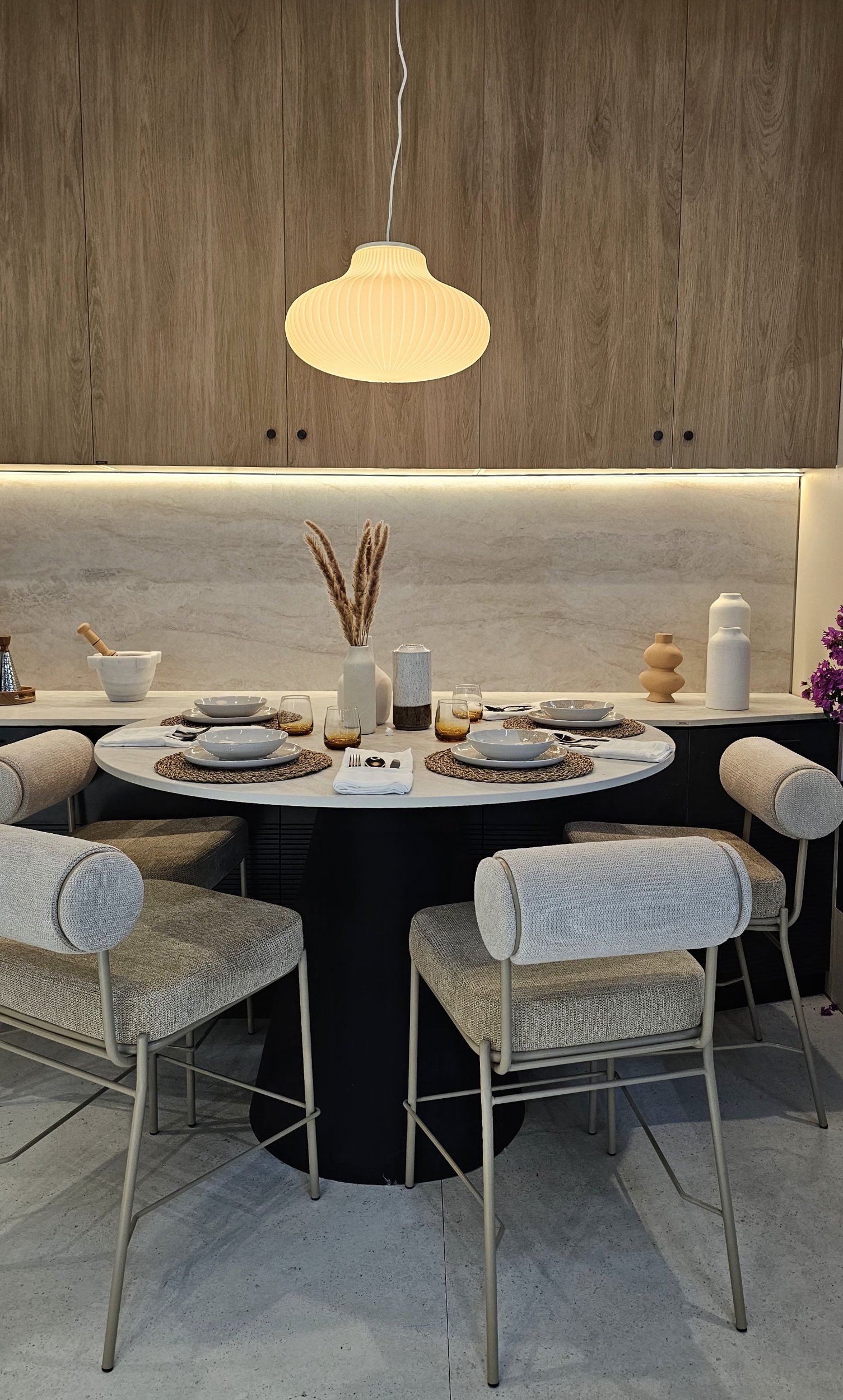
Dekton Kitchen Countertops
Get a true chef’s kitchen where you can work freely without using cutting boards or trivets for hot pans.
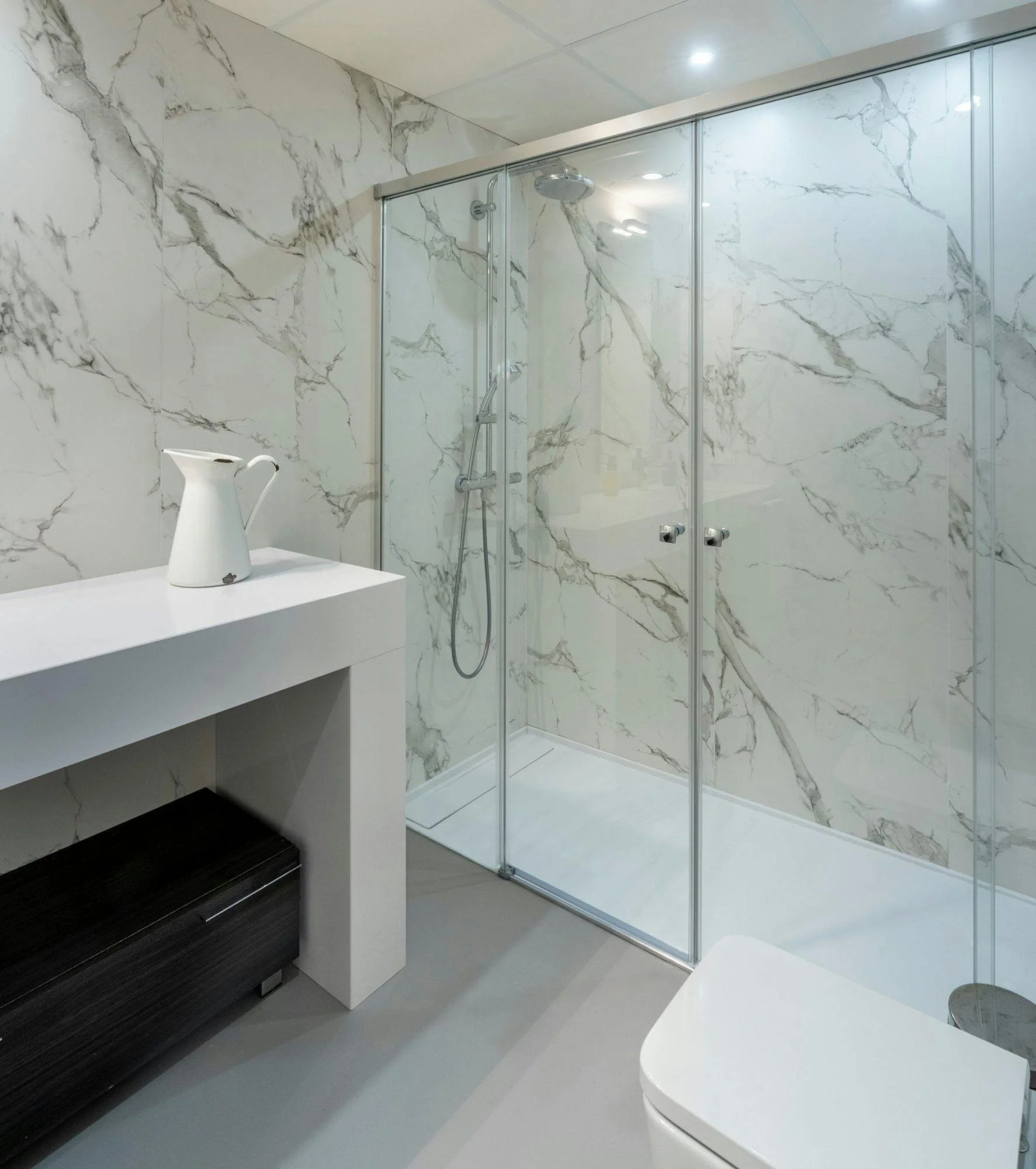
Dekton Shower Walls
Water, soap scum, and mold cannot stick to a completely non-porous surface. Using large slabs for your shower walls means you get a seamless look with no grout lines to scrub.
Dekton Outdoor Countertops
Build an outdoor kitchen that easily survives rain, humidity, and intense sun without ever losing its original look.
Fireplaces & Front Facades
Because it can handle extreme heat and weather, it is the premier choice for seamless, floor-to-ceiling fireplace surrounds and modern exterior home walls.
FAQ’S
What is the primary difference in Dekton vs Quartz?
The main difference comes down to what holds the slab together. Traditional quartz uses plastic resins and glues to bind stone pieces together, which can melt under high heat and yellow in the sun. Dekton by Cosentino contains zero resins or plastics. It is made purely from porcelain, natural minerals, and glass fused together under extreme pressure, making it completely heat-proof and UV-stable.
Click Here to See Exactly How Dekton Is Made: Watch the Step-by-Step Manufacturing Breakdown!
Why do some fabricators have trouble cutting Dekton?
Because Dekton is an ultra-compact surface with zero resin, the raw slabs hold a lot of internal tension. If an installer treats it like standard quartz or marble, it will chip or shatter. To cut it safely, a certified expert must use specialized water-cooled diamond blades, slow cutting speeds, and perform tension-relief cuts around the perimeter of the slab.
Can you use Dekton for outdoor countertops in Florida?
Yes, dekton outdoor countertops are the absolute best choice for outdoor kitchens. Unlike other surfaces that fade, crack, or turn yellow under the intense Florida sun and humidity, Dekton is 100% sun-proof and weather-proof. It will look exactly the same after years of exposure to direct UV rays and rain.
Click Here to See How Dekton Is Used for Outdoor Kitchen Countertops
Is it safe to put hot pans directly on Dekton kitchen countertops?
Yes, dekton kitchen countertops are entirely heat-proof. Because it is manufactured at temperatures over 2,000°F, it cannot burn, scorch, or crack from thermal shock. You can place boiling pots and scorching cast-iron skillets directly onto the bare stone surface without using a trivet.
How can I get Dekton samples to view in my home?
The best way to choose a design is to see how the slab patterns look under your home's natural lighting. If you are planning a remodel, contact Lais Luz to review your project layout, answer technical fabrication questions, and order your custom dekton samples.
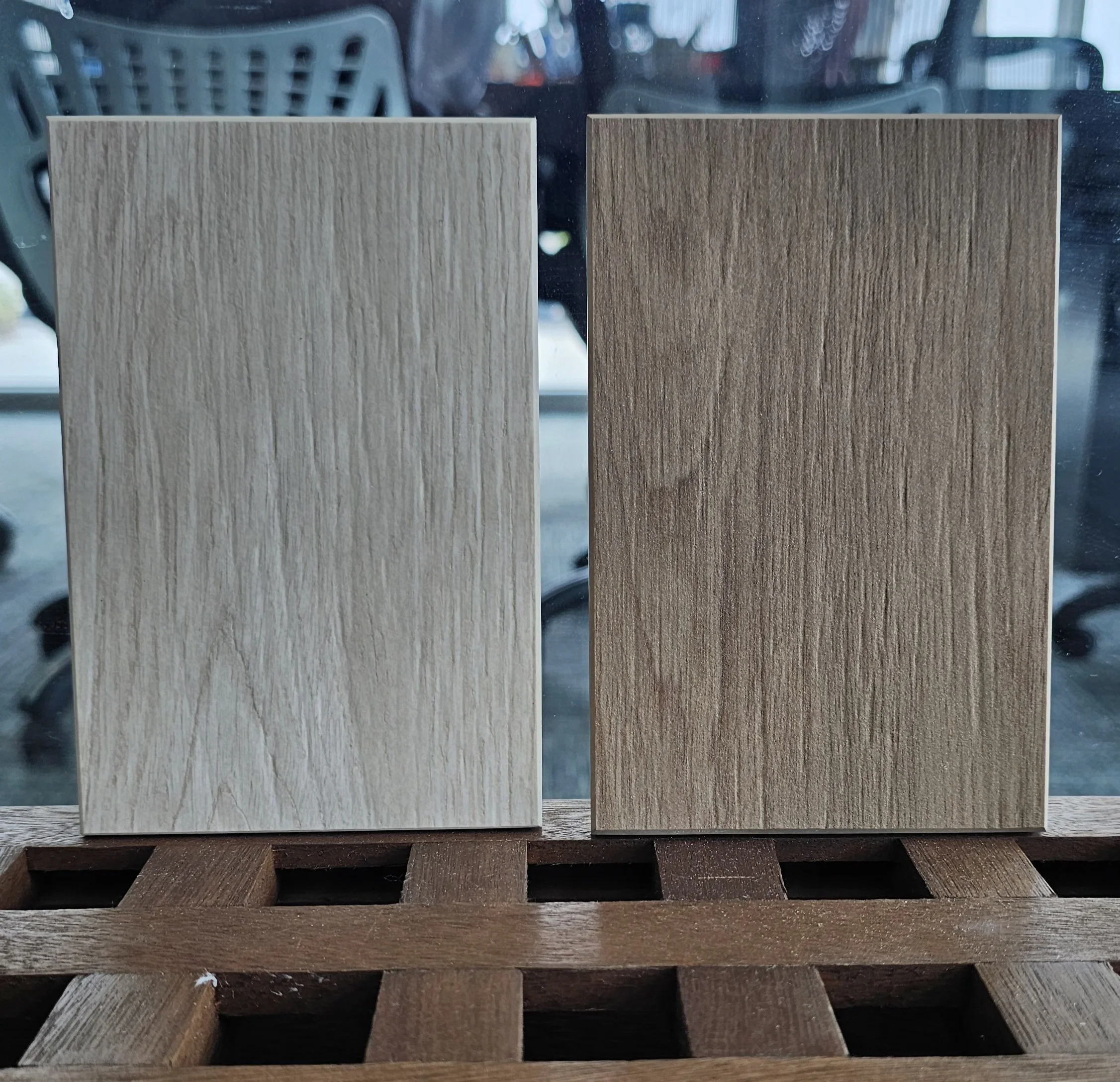
Get Your Free Dekton Samples
Every home has different lighting, and the best way to choose the right style is to see and feel the material in your own space.
If you live in the Sarasota, Florida area, Lais Luz uses her own highly trained, specialized in-house fabrication team to cut, match, and install your slabs perfectly. If your luxury project is outside of Southwest Florida, Lais offers expert consulting to help you find and vet a certified installer in your local town.
Contact us today to discuss your project layouts or to order your custom dekton samples.
📞 Prefer to chat now? Call or text directly at (941) 301-8979

Read More: