Transform Your Projects with Neolith Facades
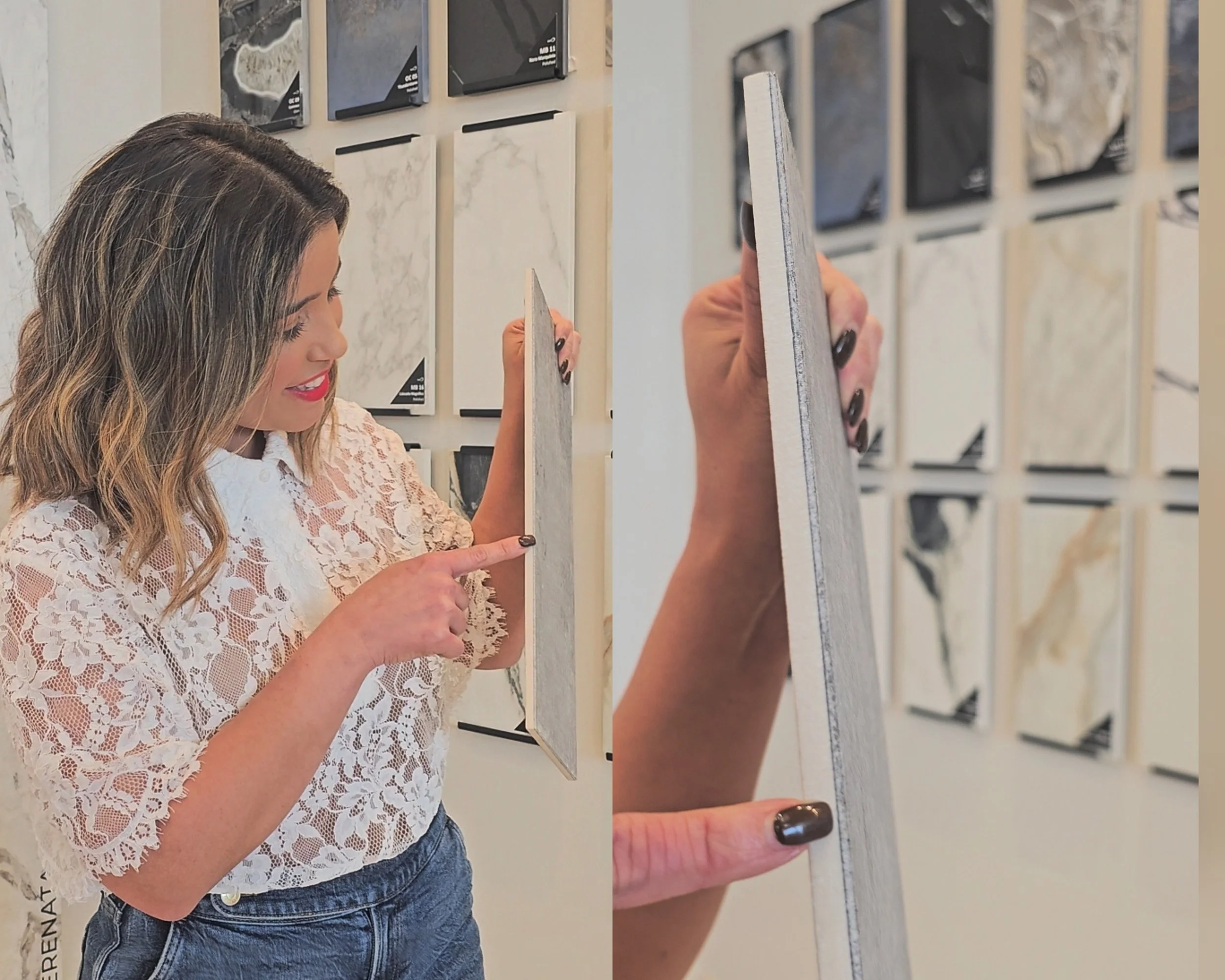
Lais Luz Neolith Sintered Stone Expert
Modern architecture demands more than beautiful design. Today’s projects require facade materials that combine durability, sustainability, low maintenance, and timeless aesthetics.
That is why architects and designers worldwide continue choosing Neolith for facade systems and exterior cladding applications.
As part of the growing mineral surfaces category, Neolith represents a new generation of sintered stone materials engineered to deliver exceptional performance while maintaining sophisticated architectural design.
From luxury homes to commercial buildings and ventilated facade systems, Neolith facades are transforming how modern exterior spaces are built.
Modern Luxury Neolith Facade
What Are Neolith Facades?
Neolith facades are architectural exterior systems created using sintered stone technology. An advanced manufacturing process that uses heat and pressure to compact natural minerals into highly durable large-format surfaces.
Sintered stone belongs to the broader mineral surfaces category, which includes innovative architectural materials designed for high performance, low porosity, UV resistance, and long-term durability.
Neolith facade systems are commonly used for:
ventilated facades
exterior cladding
commercial buildings
luxury residential architecture
modern architectural renovations
high-performance building envelopes
Because of its lightweight composition and strength, Neolith allows architects to create modern facade designs without sacrificing functionality or structural performance.
Commercial Building Facade - Neolith
Why Architects and Designers Choose Neolith Facades
Modern architecture requires facade materials capable of handling environmental exposure while maintaining visual sophistication over time.
Neolith facades offer a combination of technical performance and design flexibility that makes them a preferred choice among architects, designers, developers, and builders worldwide.
Exceptional Durability
Neolith sintered stone surfaces are engineered to resist:
UV exposure
scratches
stains
moisture
temperature changes
harsh weather conditions
Unlike many traditional facade materials, Neolith maintains its appearance with minimal maintenance.
Lightweight Architectural Solutions
One of the major advantages of Neolith facade systems is their lightweight structure compared to natural stone alternatives.
This can help simplify installation processes while reducing structural load requirements in modern architectural projects.
Low Porosity and Easy Maintenance
The dense, non-porous nature of Neolith facades provides an effortless defense against the elements, stains, and bacteria.
This makes them ideal for exterior environments where durability and cleanliness matter.
Ventilated Facade Detail - Neolith
Design Flexibility for Modern Architecture
One of the reasons Neolith continues growing in popularity is its remarkable design versatility.
Neolith offers finishes inspired by:
natural stone
marble
concrete
metallic surfaces
wood aesthetics
This allows architects to create contemporary facades ranging from minimalist modern homes to sophisticated commercial buildings.
Large-format slab technology also helps create cleaner visual lines with fewer interruptions, contributing to seamless architectural aesthetics.
Sustainable Architectural Facade - Neolith
Why Neolith Performs Well in Challenging Climates
Modern facade systems must withstand demanding environmental conditions without losing performance or visual appeal.
Sintered stone facades are increasingly specified for projects exposed to:
intense UV radiation
humidity
rain
heat
coastal environments
thermal fluctuations
This is especially important in regions where exterior materials are constantly exposed to harsh environmental conditions.
The durability and UV resistance of Neolith help maintain color stability and long-term facade performance over time.
Sustainable Architecture and Mineral Surfaces
Sustainability is becoming one of the most important priorities in modern architecture and construction.
As part of the mineral surfaces category, Neolith supports environmentally conscious design through:
long material lifespan
recyclable composition
low maintenance requirements
durable performance
responsible manufacturing innovation
Long-lasting facade materials can help reduce replacement cycles and contribute to more sustainable architectural solutions.
The Rise of Mineral Surfaces in Architecture
The mineral surfaces category continues expanding across architecture, interior design, facades, kitchens, bathrooms, and commercial spaces.
This category includes advanced surfacing materials such as:
sintered stone
porcelain slabs
ultracompact surfaces like Dekton
Each material offers unique advantages depending on the application, design goals, and performance requirements.
According to Lais Luz, mineral surfaces are reshaping the future of architectural design by combining durability, low maintenance, and sophisticated aesthetics into a single material category.
Mineral Surfacing showing three sub-categories: Sintered Stone, Ultracompact Surface, and Porcelain Stoneware.
Why Neolith Facades Are Shaping the Future of Exterior Design
Modern architecture is evolving toward materials that offer both performance and visual impact.
Neolith facades help architects create exterior spaces that are:
durable
sustainable
visually sophisticated
low maintenance
suitable for modern architectural demands
As architectural trends continue moving toward high-performance mineral surfaces, sintered stone facade systems are expected to play an increasingly important role in residential and commercial design worldwide.
Neolith booth at KBIS showcased the exact modern, monolithic, and seamless designs I advocate.
Explore the World of Mineral Surfaces
The evolution of modern architecture continues driving demand for advanced surfacing materials that combine aesthetics, durability, and sustainability.
From sintered stone to porcelain slabs and ultracompact surfaces, the mineral surfaces category is redefining what is possible in facades, countertops, architectural cladding, and interior design.
To learn more about mineral surfaces and discover which material is best suited for your next project, explore additional insights from Lais Luz.
Neolith Facade FAQs
What are Neolith facades?
Neolith facades are exterior architectural systems made from sintered stone, a highly durable mineral-based material engineered for modern facade applications and exterior cladding.
Is Neolith considered sintered stone?
Yes. Neolith is one of the most recognized brands within the sintered stone category and is widely used in architecture, facades, countertops, and interior design applications.
What are the benefits of sintered stone facades?
Sintered stone facades offer durability, UV resistance, low porosity, stain resistance, sustainability, and modern design flexibility for architectural projects.
Are Neolith facades sustainable?
Neolith facades are considered a sustainable architectural solution because of their durability, recyclable composition, and long lifespan, which can help reduce replacement and maintenance needs over time.
What is the difference between mineral surfaces and sintered stone?
Mineral surfaces are a broader category of advanced surfacing materials that includes sintered stone, porcelain slabs, and ultracompact surfaces. Sintered stone is one type within the mineral surfaces category.
Why are architects using mineral surfaces in modern architecture?
Architects increasingly use mineral surfaces because they combine durability, sophisticated aesthetics, low maintenance, and sustainable performance for both interior and exterior applications.
READ MORE: